
Cryopreservation and Gene Preservation: Securing Genetic Information for the Future
Cryopreservation and gene preservation are critical technologies in modern biotechnology, enabling long-term DNA storage and protection of genetic material for future use.
1/10/20261 min read
Cryopreservation and Gene Preservation: Securing Genetic Information for the Future
Cryopreservation and gene preservation are critical technologies in modern biotechnology, enabling long-term DNA storage and protection of genetic material for future use. These methods are widely applied in biomedical research, molecular diagnostics, genomics, and biodiversity conservation.
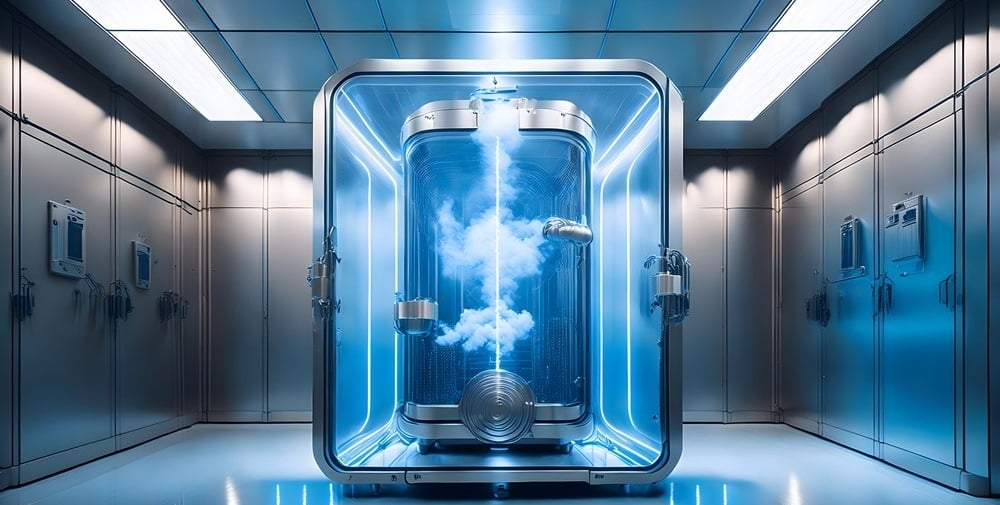
Cryopreservation involves storing biological samples such as DNA, cells, tissues, and microorganisms at ultra-low temperatures to prevent degradation. This technique ensures genetic stability and is essential for research biobanks, clinical laboratories, and advanced genomics studies.
Gene preservation focuses on maintaining the integrity of DNA and RNA for future analysis. It supports genetic research, disease studies, evolutionary biology, and precision medicine. With reliable gene preservation methods, valuable genetic information can be accessed even years later.
Long-term DNA storage reduces the need for repeated sample collection and enables retrospective research using advanced sequencing technologies. Non-invasive sampling methods like buccal swabs combined with validated preservation reagents make genetic storage accessible to a wider audience.
As biotechnology advances, cryopreservation and gene storage are transitioning from laboratory research to public and commercial applications. These technologies empower individuals, researchers, and institutions to securely preserve genetic data for future innovations.
Cryopreservation and gene preservation will continue to drive breakthroughs in genomics, personalized medicine, and scientific discovery. Preserving genetic material today is a key step toward unlocking the future of science and healthcare.
Contact
Science Find Innovations
© 2025 Scifi Innovations . All rights reserved.


Phone: +91 8848 150 677
Address: Pallath Tower, Square, FACT Kalamassery Rd, North Kalamassery, Kalamassery, Kochi, Kerala 683104