
Genetic Identity and DNA Preservation: Unlocking the Future of Genetics
The field of genetic identity and DNA preservation has rapidly transformed over the past decades, becoming a cornerstone of modern biotechnology.
1/10/20262 min read
Genetic Identity and DNA Preservation: Unlocking the Future of Genetics
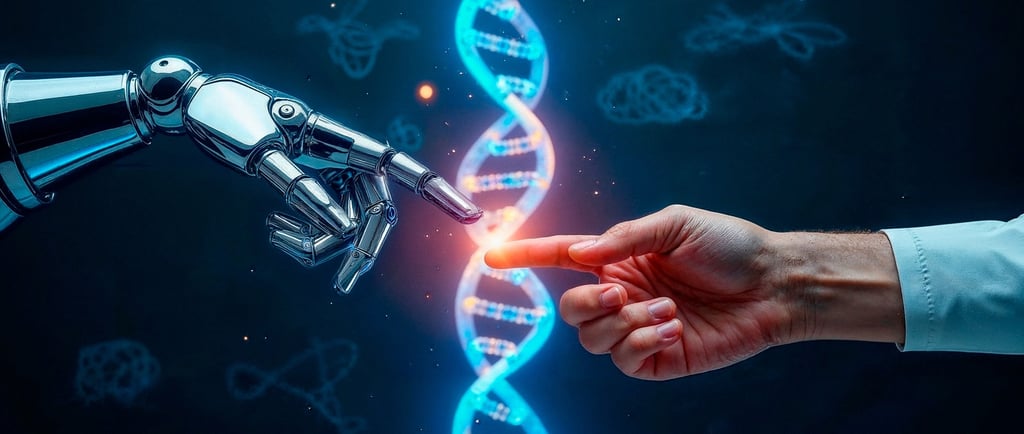
The field of genetic identity and DNA preservation has rapidly transformed over the past decades, becoming a cornerstone of modern biotechnology. From understanding individual genetic makeup to storing DNA for future research and applications, preserving genetic material ensures that we can explore, analyze, and utilize biological information safely and efficiently.
A Brief History of DNA Preservation
The journey of DNA preservation began with basic sample storage techniques in the 1950s and 1960s, when researchers first realized the importance of maintaining genetic material for repeated studies. Early methods involved storing tissues and blood samples at low temperatures. By the 1970s and 1980s, ultra-low temperature freezers and cryopreservation became standard for long-term DNA and cell storage. The 1990s saw the rise of biobanks, enabling large-scale collection and storage of genetic material for population studies, disease research, and forensic applications. Today, advanced techniques allow for non-invasive DNA collection (such as buccal swabs) and highly reliable long-term DNA storage, ensuring that genetic information can be preserved for decades.
The Importance of Genetic Identity
Genetic identity refers to the unique DNA profile of an individual or species. Maintaining this information is crucial for:
- Medical diagnostics – detecting genetic disorders and hereditary diseases
- Forensic science – confirming identities in criminal investigations
- Personal genomics – understanding ancestry, traits, and health risks
- Biodiversity conservation – tracking and preserving endangered species
With the growing emphasis on personalized medicine, accurately preserving genetic identity is more important than ever.
DNA Preservation Techniques
Modern DNA preservation methods rely on cryogenic storage, chemical reagents, and optimized handling protocols. Key approaches include:
- Cryopreservation of cells and tissues
- Long-term DNA storage in reagent-based tubes
- Non-invasive collection techniques, such as buccal swabs or saliva samples
- Automated storage and tracking in biobanks
These methods ensure that DNA remains intact, contamination-free, and usable for future applications in research, diagnostics, and biotechnology.
Applications and Future of Genetics
The preservation of DNA and genetic material opens doors to a variety of cutting-edge applications:
- Medical research – discovering new treatments for genetic disorders
- Pharmacogenomics – tailoring drugs based on individual genetics
- Synthetic biology – designing organisms or molecules with specific traits
- Agriculture – improving crop genetics and livestock breeding
- Conservation genetics – safeguarding species diversity for future generations
Looking ahead, genetic preservation combined with artificial intelligence, bioinformatics, and next-generation sequencing (NGS) promises to revolutionize healthcare, agriculture, and environmental science. The ability to store and access DNA long-term ensures that tomorrow’s scientific breakthroughs are built on today’s preserved genetic resources.
Conclusion
The history and evolution of DNA preservation highlight its critical role in understanding genetic identity and shaping the future of genetics. By combining advanced storage techniques, non-invasive collection methods, and rigorous scientific protocols, we can safeguard genetic information for generations to come. As biotechnology advances, DNA preservation remains a key driver of innovation, research, and real-world applications that benefit humanity.
Contact
Science Find Innovations
© 2025 Scifi Innovations . All rights reserved.


Phone: +91 8848 150 677
Address: Pallath Tower, Square, FACT Kalamassery Rd, North Kalamassery, Kalamassery, Kochi, Kerala 683104